The Best 7-Seater SUVs of 2025: A Comprehensive Guide
The search for the perfect family vehicle is evolving. Gone are the days when a seven-seater SUV was merely a compromise—a bulky people-mover with a cramped third row. In 2025, the segment has matured dramatically, focusing on delivering a truly holistic experience for every occupant. The modern 7-seater is no longer just about maximum capacity; it's about smart, flexible space, refined comfort, and integrated technology that makes every journey easier.
Today's buyers have higher expectations than ever. They seek genuine usability from all three rows, where comfort is not sacrificed for the sake of extra seats. They value powertrains that are both powerful and smooth, often enhanced by efficient hybrid systems that deliver confidence without compromising fuel economy. Comprehensive safety features that protect the entire family are paramount, while intuitive infotainment systems have become central to in-car convenience. This guide is designed to cut through the noise. We've analyzed the latest models to help you navigate this competitive landscape, focusing on practical considerations—from cabin layout and real-world driving dynamics to ownership costs and standout tech. Our goal is to empower you to find the ideal SUV that doesn't just move your family, but genuinely enhances your lifestyle together.
Key Considerations When Choosing a 7-Seater SUV
Selecting the right 7-seater SUV goes beyond just having enough seats. To find the perfect match for your family's needs, focus on these core areas:
- Space & Practicality: The third row is often the key differentiator. Assess if it offers sufficient legroom and headroom for adults, even if only for shorter trips. Crucially, check the cargo space behind the third row—is it enough for daily needs or a family trip's luggage? Flexible seating that folds flat is a major advantage for versatility.
- Powertrain & Performance: Your driving environment dictates the best choice. Traditional gasoline and diesel engines offer proven performance, while Hybrids provide excellent fuel efficiency for city driving. Electric SUVs, a growing trend in 2025, deliver quiet, instant acceleration and lower running costs, but require consideration of charging access and range for long journeys. Decide if front-wheel drive is sufficient or if all-wheel drive is needed for adverse weather or light off-roading.
- Safety & Technology: Protecting your family is paramount. Look for comprehensive safety suites including Adaptive Cruise Control, Lane-Keeping Assist, and Blind-Spot Monitoring. Due to the vehicle's size, a 360-degree camera is incredibly helpful for parking. Also, ensure the infotainment system is user-friendly and offers ample USB ports for all passengers.
- Ownership Costs: Consider long-term expenses like fuel/energy consumption, insurance, maintenance, and the vehicle's projected resale value. Prioritize models with proven reliability ratings, as they typically incur lower repair costs and experience less depreciation over time. A slightly higher initial investment in a fuel-efficient or popular model with demonstrated reliability can pay off through reduced long-term ownership costs and stronger resale value.
- Comfort & Convenience: Prioritize third-row AC vents, ample USB charging, power-operated tailgates, and seamless smartphone integration (Apple CarPlay/Android Auto). For urban driving, consider maneuverability—oversized models may prove challenging in tight parking spaces.
2025’s Best-in-Class 7-Seater SUVs: The Complete List
This list highlights the 7-seater SUVs that genuinely rise above their segments. Each model earns its place not only by meeting essential family-car requirements, but by offering capabilities, comfort, or technology that outperform expectations for their price. These are the vehicles that deliver true value—where what you get feels worth far more than what you pay.
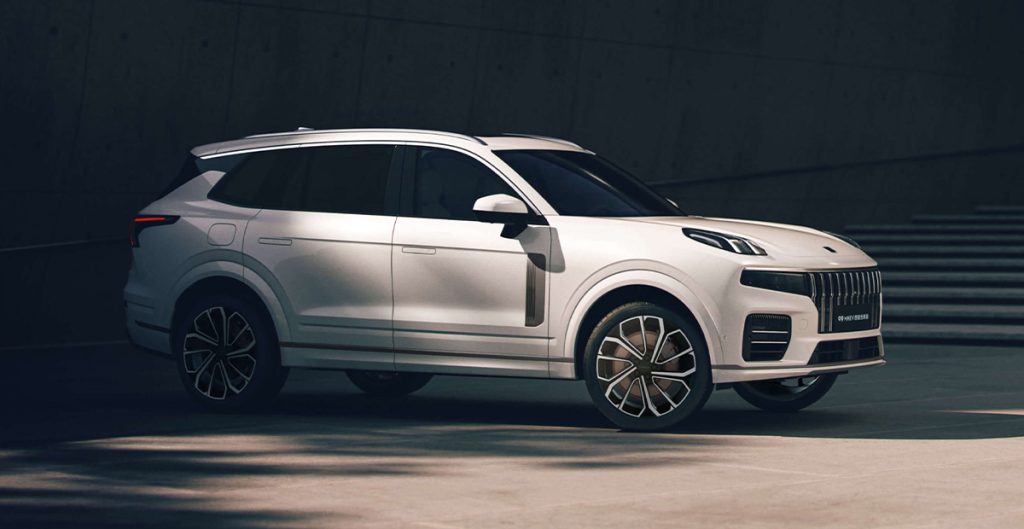
10.Lynk & Co 09
- ✅ Pros:
- Bold exterior design with strong visual presence.
- High-tech, luxurious interior with AR navigation and facial recognition.
- Premium interior amenities rivaling luxury brands.
- Competitive value compared to European premium SUVs.
- ❌ Cons:
- Acceleration is not class-leading; 0–100 times can feel pedestrian.
- Occasional infotainment glitches despite powerful chip.
The Lynk & Co 09 brings a distinctly modern approach to the 7-seat SUV category, blending premium design cues with smart technology and an increasingly refined driving experience. Built on a platform shared with Volvo, the 09 offers a sophisticated feel that’s immediately noticeable inside the cabin: high-quality materials, an elegant dashboard layout, and supportive seating across the first two rows. The third row is more suitable for children, but it remains functional for occasional adult use. One standout feature is its tech-rich interface — large high-resolution screens, connected services, and an intuitive digital ecosystem all contribute to a contemporary premium vibe.
On the road, the 09 delivers a refined, confident drive. Acceleration is smooth and responsive, particularly in electrified variants where electric motors add low-speed torque. The suspension strikes a pleasing balance between comfort and road feel, making it ideal for both city commuting and longer journeys. Noise insulation is also strong, helping the cabin feel calm and upscale. Cargo space is competitive, though like many three-row SUVs, it becomes limited with all seats in use.
Where the Lynk & Co 09 truly differentiates itself is in value: it offers a near-luxury experience at a more accessible price point, appealing to buyers who want premium ambience without jumping to traditional luxury brands. While brand recognition varies across markets, the 09 stands as one of the more polished and forward-thinking entrants in the segment.
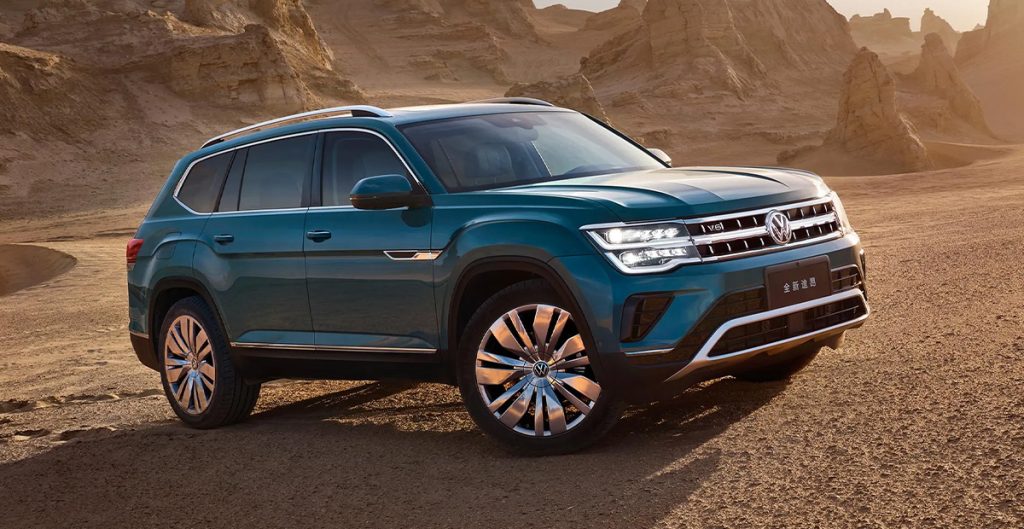
9.Volkswagen Teramont
- ✅ Pros:
- Very roomy interior with genuinely usable third-row seating.
- Flexible and practical seating layout for cargo or people.
- Strong engine options (turbo 2.0 L or V6) for good highway power.
- Comfortable ride for family use; suspension absorbs road imperfections well.
- ❌ Cons:
- Fuel consumption is higher, especially for V6 engine.
- Large size makes tight urban maneuvering less convenient.
- Conservative interior design lacks visual excitement.
The Volkswagen Teramont — known as the Atlas or Talagon depending on region — is one of the most spacious SUVs you can buy without jumping into luxury territory. Its biggest selling point is simple: space, space, and more space. The third row is genuinely adult-friendly, something few competitors can claim with confidence, and the boxy roofline ensures consistent headroom across all rows. This makes the Teramont ideal for large families, carpooling, or buyers who regularly need all seven seats for real passengers, not just occasional use.
Driving the Teramont is a straightforward, predictable experience. It isn’t trying to be sporty; instead, it focuses on stability and comfort. The suspension feels tuned for long-distance cruising, and visibility is excellent thanks to its upright shape. Inside, the layout is clean and functional, with a practical mix of physical buttons and digital controls — easier to use than some newer touch-only systems. Cargo capacity is impressive even with the third row in place, and folding the rear seats creates a huge load area.
However, the Teramont’s size can make parking in tight areas a challenge, and its fuel economy is typically modest. Acceleration is adequate but less energetic than some turbocharged or hybrid competitors. Still, for families who simply need the maximum usable space without paying luxury prices, the Teramont is one of the most honest and dependable choices in the segment.
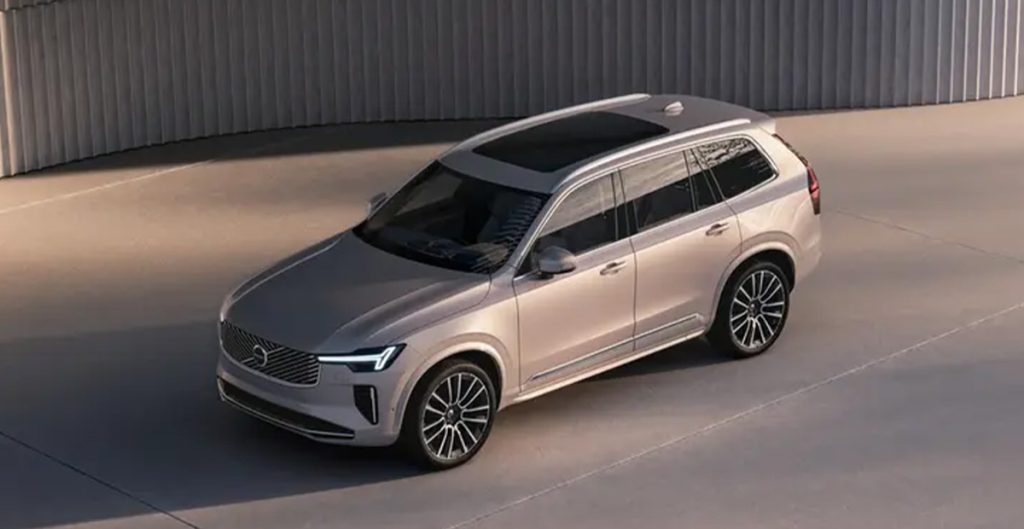
8.Volvo XC90
- ✅ Pros:
- Elegant, high-quality Scandinavian interior with premium materials.
- Refined ride and quiet cabin — especially with hybrid powertrains.
- Strong PHEV powertrain option (T8) for a mix of electric and gasoline driving.
- Excellent safety suite and Volvo’s longstanding safety credibility.
- ❌ Cons:
- Infotainment screen can be slow and complicated to navigate.
- Third-row space is tighter compared to some competitors.
- Base engine feels sedate — not very sporty.
The Volvo XC90 stands apart in the 7-seat SUV landscape by blending Scandinavian luxury with a strong focus on family wellness and calm driving psychology. It’s not just premium — it feels thoughtful. The cabin uses clean design lines, airy color palettes, and high-quality materials that create a peaceful environment, almost like a modern living room on wheels. The second row is notably comfortable, while the third row works well for children and shorter adults, especially on urban or medium-range trips. Volvo’s emphasis on safety is evident: the XC90 integrates its driver-assist systems in a way that enhances confidence without overwhelming the driver.
On the road, the XC90 favors grace over aggression. Acceleration is adequate for daily use, and the ride quality leans toward comfort, with strong noise insulation that keeps long journeys relaxing. The plug-in hybrid version (depending on market) offers smooth electric-assisted driving, which reduces fuel consumption in city environments. The portrait-style infotainment system is sleek, though its menus may feel more complex compared to rivals. Cargo flexibility is good, though not class-leading once all seven seats are in use. Still, what makes the XC90 memorable is how cohesively it blends design, comfort, and safety — making it a superb option for families who prioritize a serene driving experience over raw performance numbers.
7.Ford Explorer

- ✅ Pros:
- Powerful engine options — including a twin-turbo V6 with strong torque.
- Flexible and utilitarian interior — sliding second row + PowerFold third row for cargo/storage.
- Strong highway stability with RWD-biased platform.
- High towing capacity when equipped with the right package.
- ❌ Cons:
- Infotainment requires an internet connection for some Google-based functions.
- Few physical knobs for quick climate control—many settings are buried in touchscreen.
- Fuel economy is average, especially with larger engines.
The Ford Explorer has long been a staple in the three-row SUV segment, and its appeal remains strong thanks to its balanced mix of power, space, and straightforward usability. Unlike some competitors that lean heavily toward a soft, minivan-like experience, the Explorer maintains a more traditional SUV personality. Its rear-drive platform (in recent generations) gives it confident stability, especially when loaded with passengers or luggage, and the available turbocharged engines provide robust acceleration that makes merging and overtaking feel effortless even with all seven seats occupied. For families living in regions with varied weather, the Explorer’s all-wheel-drive system adds reassurance.
Inside, the Explorer offers a practical layout that families will appreciate. The second row is comfortable and accessible, and while the third row isn’t the most spacious in the segment, it's adequate for children and occasional adult use. The infotainment system is generally intuitive, and Ford includes multiple storage solutions throughout the cabin — an important detail for parents juggling snacks, bottles, devices, and more. The ride can feel firmer than that of more comfort-oriented rivals, and fuel economy is less impressive than newer hybrid or EV competitors. But these trade-offs come with benefits: stronger towing capability and a driving feel that many families still prefer. For buyers seeking a versatile, confident, and familiar 7-seat SUV, the Explorer continues to be a dependable choice.
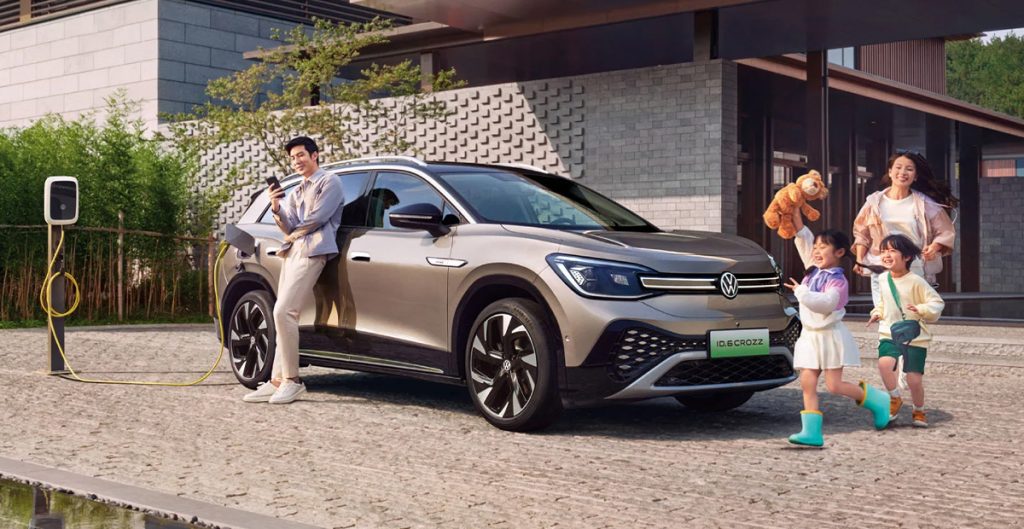
6.Volkswagen ID.6 (Pure Electric)
- ✅ Pros:
- Spacious 3-row layout built on MEB EV platform.
- Quiet, smooth powertrain with instant torque feel.
- Flexible drivetrain: available in RWD or dual-motor AWD.
- Good value as a large EV, compared to premium three-row electric SUVs.
- ❌ Cons:
- Heavy curb weight could affect efficiency and agility.
- Third-row seating is more suited for children than tall adults.
- Charging infrastructure and support may be less mature outside China.
The Volkswagen ID.6 offers a different take on the family-sized electric SUV, focusing less on sportiness and more on calm, predictable comfort — something that appeals strongly to families seeking a smooth and spacious people-mover. Built on VW’s MEB electric platform, the ID.6 benefits from its long wheelbase, which translates directly into generous cabin room. The third row is usable for adults on short journeys and easily accommodates children, while the flat floor layout gives the second row a noticeably more open feel compared to traditional gasoline rivals. The electric powertrain contributes to a quiet and relaxed driving character: acceleration is linear rather than aggressive, and the ride quality is geared toward softness, making it pleasant during slow-speed city drives or long-haul family travel.
VW’s minimalist interior design can be a double-edged sword. On one hand, the clean UI, large infotainment screen, and intuitive digital controls create a modern cockpit experience. On the other hand, some owners may find the touch-sensitive buttons less straightforward than physical controls. Cargo space is another strong point — with the third row folded, the ID.6 becomes a practical hauler for sports equipment, camping gear, or airport luggage. Yet, as with all EVs, charging infrastructure and real-world range remain crucial considerations, especially for drivers who frequently travel long distances. Still, for families seeking a quiet, roomy, and modern all-electric 7-seater, the ID.6 delivers a compelling package tailored for daily practicality.
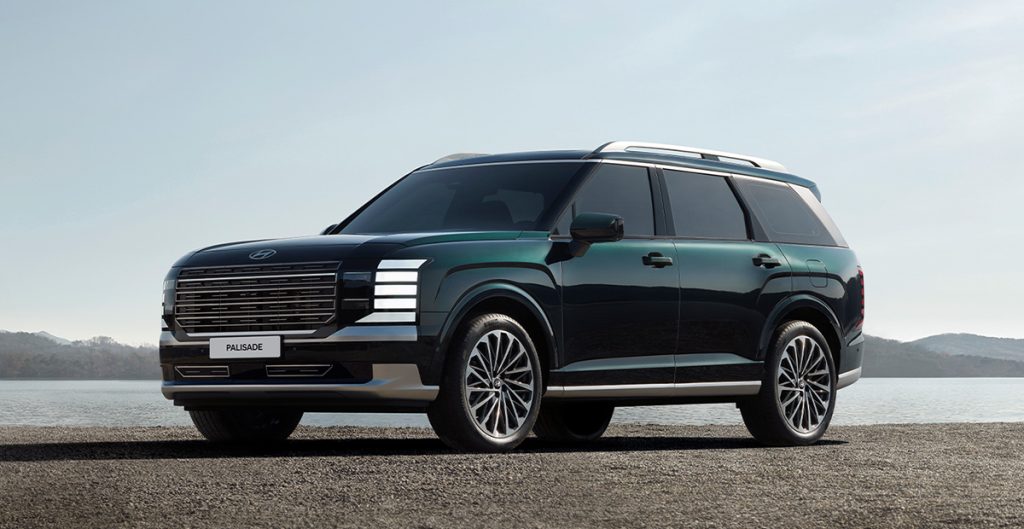
5.Hyundai Palisade
- ✅ Pros:
- Luxurious comfort for all three rows.
- Strong feature set (connectivity, safety, infotainment).
- Smooth V6 gives reliable daily performance.
- Excellent value compared to premium-brand 7-seaters.
- ❌ Cons:
- Fuel consumption is relatively high for its size.
- Steering and handling lean more toward comfort than sporty driving.
- When all seats are occupied, cargo space is limited.
The Hyundai Palisade is designed to feel like a premium SUV, without charging a luxury premium — and it largely succeeds in doing so. It’s immediately welcoming: plush seats, solid materials, and thoughtful ergonomics make the cabin a place where both short commutes and long trips feel comfortable. The second-row seating is especially generous, and the third row, while not cavernous, is usable for teenagers or adults on shorter journeys — a testament to how Hyundai prioritizes real-world usability.
When driving, the Palisade demonstrates a refined balance between poise and ride comfort. The suspension smooths out bumps, and the body structure feels composed, giving passengers a stable, reassuring ride. The infotainment system is modern and responsive, with clear touchscreen controls, USB connectivity, and driver-assist features that add safety without overwhelming the driver. For everyday families, these features matter more than racing-style performance.
On the flip side, the Palisade’s fuel efficiency trails some hybrid rivals, and its handling leans more toward comfort than sportiness. Also, with all seats occupied, cargo space becomes limited, which means families may need to compromise between passenger capacity and storage. Still, as a three-row SUV that feels grown-up, safe, and thoughtfully built, the Palisade remains a favorite for many buyers who value comfort and sensible luxury.
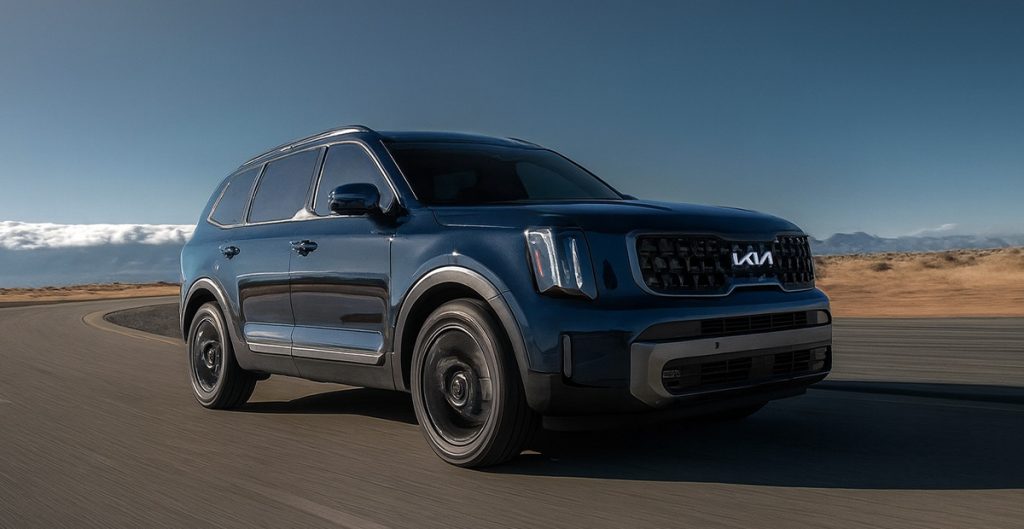
4.Kia Telluride
- ✅ Pros:
- Premium-feeling interior at a mainstream price.
- Generous and comfortable third-row seating.
- Strong V6 engine delivers confident performance.
- Smooth and composed ride on highways.
- Practical cabin layout and lots of usable storage for families.
- ❌ Cons:
- Fuel economy is not as competitive vs hybrid or EV rivals.
- High demand may lead to supply constraints in certain markets.
- Not as nimble or sporty as smaller SUVs.
The Kia Telluride remains a benchmark for three-row SUVs, and for good reason: it provides a rare blend of upscale comfort, rugged presence, and pure practicality. Step inside, and you’ll find roomy, well-cushioned seats across all three rows — the second row is generous, and while the third isn’t the absolute most spacious, it’s more usable than many rivals. This makes the Telluride a true family hauler for daily school runs, road trips, or even carpool duties. Driving it feels confident: the V6 engine delivers ample power without feeling excessively raw, and the ride quality is commendably refined for such a large vehicle. The interior is thoughtfully laid out, with intuitive infotainment controls, multiple USB ports, and well-positioned cupholders and storage bins — all helping make everyday usability feel effortless.
Moreover, the Telluride’s design exudes a quiet confidence: its exterior presence is bold but not overbearing, appealing to buyers who want substance without flash. That said, efficiency isn’t its strongest suit — its V6 powertrain means fuel economy lags behind many hybrid or electrified competitors. And demand for this model remains high, which can make getting one at MSRP difficult in some markets. Maneuvering such a large vehicle in tight urban areas can also be a challenge. Nevertheless, the Telluride’s strength lies in being a well-rounded, premium-feeling family SUV that doesn’t demand a luxury badge to deliver comfort and versatility.
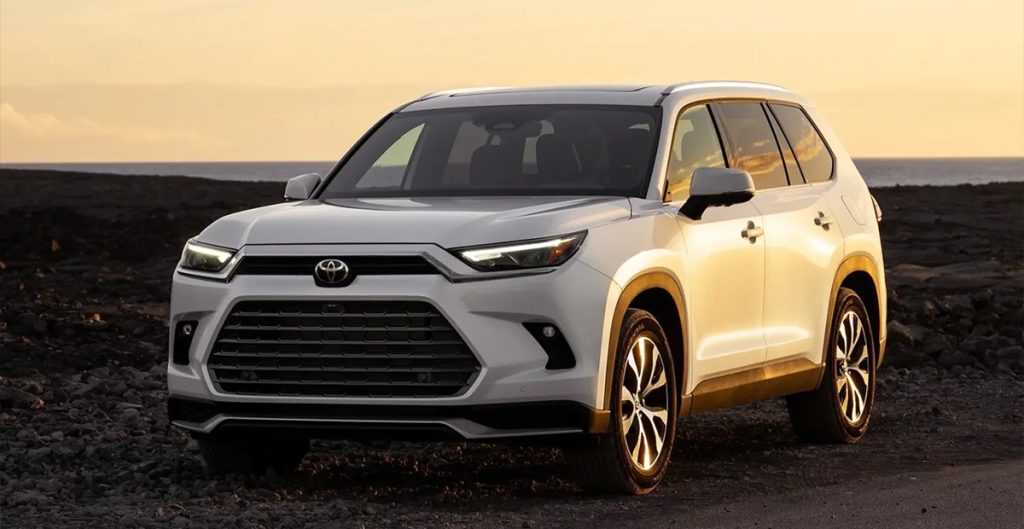
3.Toyota Grand Highlander Hybrid
- ✅ Pros:
- Very good fuel efficiency for a large 3-row SUV.
- Smooth and comfortable ride, ideal for family travel.
- Spacious cabin, especially generous third-row legroom.
- Flexible powertrain options (Hybrid and Hybrid Max) to balance efficiency or performance.
- ❌ Cons:
- Base hybrid powertrain feels underpowered for such a large vehicle.
- Cabin materials are functional but less premium than rivals.
- Brake pedal feel could be more refined.
The Toyota Grand Highlander Hybrid shines because it effortlessly blends Toyota’s legendary reliability with the practicality families expect from a full-size SUV. What makes it especially memorable is that it resolves a common complaint about many seven-seaters: the third row is actually spacious. Adults can sit comfortably in the back, and there’s still usable cargo space behind them—something few competitors manage this well.
The hybrid powertrain is another major advantage. It delivers impressive fuel efficiency for a vehicle of its size, allowing families to travel farther with fewer stops and significantly lower fuel costs over years of ownership. At the same time, Toyota’s hybrid systems are among the most trusted in the industry, giving buyers peace of mind that long-term maintenance will be predictable and affordable.
Inside, the Grand Highlander is designed with real-world convenience in mind. There are storage pockets, charging ports, and thoughtful touches in every row, showing that the SUV was built for active families rather than just for show. On the road, it offers a smooth, composed ride that makes long-distance travel feel effortless.
2.Chery Fengyun T9 (PHEV)

- ✅ Pros:
- Plug-in hybrid system gives strong fuel efficiency in mixed driving.
- Quiet EV-mode driving for city commutes.
- Flexible space and family-friendly seating layout.
- Well-equipped tech for the price — 360° camera, adaptive cruise, etc.
- ❌ Cons:
- Hefty curb weight affects handling during aggressive driving.
- Public DC charging (if needed) may not be as widespread in some regions.
- Software / connectivity features may vary depending on market localization.
The Chery Fengyun T9 addresses one of the biggest real-world concerns buyers face: balancing fuel economy with true long-distance capability. As a plug-in hybrid, it offers an electric-only mode for short trips, reducing fuel expenses for daily commuting, while still providing the freedom of a gasoline engine for longer drives. This hybrid flexibility is particularly attractive for families who may not have easy access to charging infrastructure every day, yet still want to be part of the electrified future.
Inside, the Fengyun T9 aims to create a premium-like atmosphere at a significantly more approachable price point compared with many global rivals. The seating layout is practical, with enough adjustability to make the third row genuinely accessible. Chery has also improved refinement in recent years, and the T9 reflects this with quieter cabin insulation and smoother power delivery.
What many readers will appreciate is how the T9 manages cost efficiency without feeling basic. The driving experience is calm and predictable—ideal for long road trips or city errands. The plug-in hybrid system also helps keep ownership costs down, especially in markets where fuel prices fluctuate. The Fengyun T9 ultimately appeals to practical-minded families who want a modern powertrain, generous space, and excellent value.
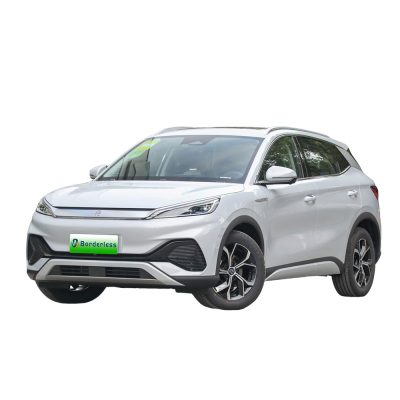
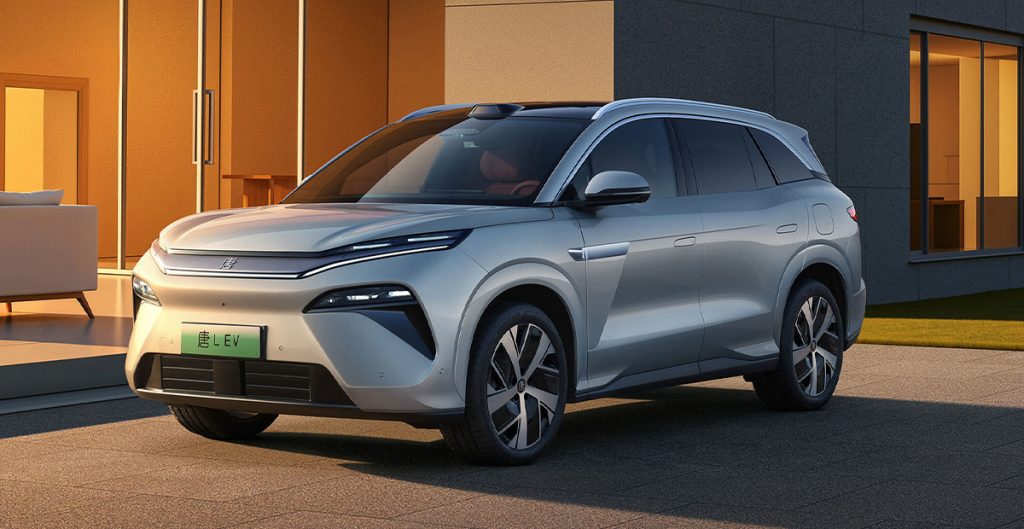
1.BYD Tang L (EV)
- ✅ Pros:
- Extremely fast charging — smart high-voltage platform supports very high input.
- Long electric range (CLTC) that supports long trips.
- Powerful motors — very strong acceleration.
- High-tech features including LiDAR-based smart driving.
- Spacious interior with seven-seat layout and good usability.
- ❌ Cons:
- Fast charging infrastructure may be limited in some markets.
- Heavier EV weight, which can reduce agility in handling.
- Third-row comfort is more suited for short trips or children.
- Harder suspension — more comfort-biased, cornering support could be better.
The BYD Tang L stands out as one of the most compelling all-electric seven-seater SUVs in today’s market, primarily because it offers a blend of practicality, efficiency, and real-world usability that many electric rivals struggle to match. Families considering an EV often worry about range anxiety and charging accessibility—two areas where the Tang L provides reassuring answers. Thanks to BYD’s advanced battery technology, the Tang L tends to deliver stable range even in hot climates or under full load, which is crucial for buyers in regions with extreme temperatures.
Beyond its EV credentials, the Tang L succeeds in creating a comfortable and confident driving experience. The cabin is wide and airy, and the third row is usable for daily life rather than reserved only for emergencies. BYD has also built a reputation for offering high-value interiors, and the Tang L continues this trend with thoughtful tech integration and strong build quality.
The Chery Fengyun T9 addresses one of the biggest real-world concerns buyers face: balancing fuel economy with true long-distance capability. As a plug-in hybrid, it offers an electric-only mode for short trips, reducing fuel expenses for daily commuting, while still providing the freedom of a gasoline engine for longer drives. This hybrid flexibility is particularly attractive for families who may not have easy access to charging infrastructure every day, yet still want to be part of the electrified future.
Best Category Winners for Global Families (2025)
- Best Overall Family 7-Seater SUV — Toyota Grand Highlander Hybrid
Because it balances genuinely usable third-row space, family-friendly cargo practicality, smooth hybrid efficiency, and everyday comfort, the Grand Highlander is the most complete, no-compromise option for most families worldwide. - Best Value for Money — Chery Fengyun T9 (PHEV)
The Fengyun T9 pairs plug-in electrified running-cost advantages with a long equipment list and a flexible, family-focused interior—delivering more usable features per dollar than most rivals. - Best Hybrid / PHEV Family SUV — Toyota Grand Highlander Hybrid
Toyota’s hybrid packaging delivers dependable fuel savings, calm city driving and long-range flexibility, making the Grand Highlander the top hybrid/PHEV choice when family practicality and efficiency matter most. - Best for Large Families — Volkswagen Teramont
Designed around maximum usable space, the Teramont offers one of the most adult-friendly third rows and generous cargo volume with seats up—ideal when you regularly carry seven people and luggage. - Best for Road Trips — Ford Explorer
With roomy seating, large cargo capacity when rows are folded, and confident highway manners, the Explorer is tuned for long distances and mixed-terrain family adventures. - Best for Cargo Space — Volkswagen Teramont
The Teramont’s boxy packaging and clever seat-folding yield roomy rear storage even with three rows in use, making it the go-to for families who prioritize luggage and gear capacity.
Comparison Table: Best 7-Seater SUVs for Families (2025)
| Model | 3rd-Row Comfort | Child-Seat Capacity | Cargo (Behind 3rd Row) | Safety | Powertrain | Fuel Efficiency | Best For |
| BYD Tang L | 85.1 cm legroom, sits higher off floor for adult comfort | 2 sets LATCH in 2nd row, 1 in 3rd row; Euro NCAP child occupant 87% | 583 L (expands to 1,960L max) | Euro NCAP 5 stars (87% adult/child) | Pure Electric, 100.5 kWh battery, 680hp AWD | CLTC 670km range | Tech-savvy families wanting electric luxury with massage seats & onboard fridge |
| Chery Fulwin T9 | 7-seat config, best for children/short trips | ISOFIX anchors standard; flexible 5/7-seat layout | 819-2065 L | C-NCAP 5 stars (similar Tiggo: 80% adult, 77% child) | PHEV, 210km EV range, 280kW total power | 1.35L/100km combined fuel consumption (WLTC) | Budget-conscious families wanting plug-in hybrid value |
| Toyota Grand Highlander Hybrid | 85.1 cm legroom, comfortable for adults, higher seating position | 2 sets LATCH 2nd row, 2 in 3rd row; Cars.com "A" rating | 583 L (2,761 L max) | NHTSA 5 stars, IIHS Top Safety Pick+ | Hybrid 2.5L 4cyl + e-motor 245hp OR Hybrid Max 362hp | 6.5 L/100km (FWD) / 9.1 L/100km (Max) | Large families needing maximum interior space & Toyota reliability |
| Kia Telluride | 79.8 cm legroom, adult-friendly, reclining 3rd row | LATCH Good+ (IIHS), 2 sets 2nd row, 1 in 3rd row | 595 L (2,464 L max) | IIHS Top Safety Pick+, NHTSA 5 stars | 3.8L V6 291hp, 8-speed auto | 11.8 L/100km (AWD) | Value-seeking families wanting near-luxury refinement |
| Hyundai Palisade | Similar to Telluride, heated 3rd row available | Complete LATCH sets in 2nd row, 1 in 3rd row | 595 L (2,464 L max) | IIHS Top Safety Pick+, NHTSA 5 stars | 3.8L V6 291hp, 8-speed auto | 11.2 L/100km (AWD) | Families wanting luxury features at mainstream prices |
| Volkswagen ID.6 | 85.6 cm legroom (Atlas-based), 6/7-seat config | ISOFIX standard, 2 sets LATCH in 2nd row | 202-1820 L | C-NCAP 5 stars (94.56% occupant protection) | Pure Electric, 63.2/83.4kWh battery, 177-302hp | CLTC 460/617km range | China-market families wanting electric 3-row SUV |
| Ford Explorer | 81.8 cm legroom, tightest for adults in class | LATCH Acceptable rating (IIHS), 2 sets 2nd row | 2,487 L max | IIHS Top Safety Pick+, NHTSA 5 stars | 2.3L Turbo 4cyl 300hp OR 3.0L Twin-Turbo V6 400hp | 10.2 L/100km (2.3L AWD) | Towing families needing 2,268kg capacity & sporty handling |
| Volvo XC90 | 81.0 cm legroom, best for children/teens | Excellent LATCH system, multiple anchor sets | 300 L (1950 L max) | IIHS Top Safety Pick, Euro NCAP 5 stars | B5/B6 mild hybrid OR T8 PHEV 58 MPGe | 9.1 L/100km (B5) / 58 MPGe (T8) | Safety-conscious luxury families wanting Scandinavian design |
| Volkswagen Teramont/Atlas | 85.6 cm legroom, most spacious 3rd row in class | LATCH standard, 2 sets 2nd row, tether anchors 3rd | 286-2427 L | IIHS Top Safety Pick (with good headlights) | 2.0L Turbo 4cyl 272hp, 8-speed auto | 8.35 L/100km (AWD) | Maximum cargo space on a budget, straightforward controls |
| Lynk & Co 09 | Tight for adults, best for children (180cm tester touches front seat) | ISOFIX standard, 2 sets LATCH 2nd row | 264 L behind 3rd, 862 L max | SPA platform safety, expected 5 stars | PHEV 408kW (2.0T, e-motor) | 1L/100km combined fuel consumption (WLTC) | Tech-luxury families in China/Middle East wanting massage seats & 4-screen cockpit |
Hybrid and Electric 7-Seater SUVs: What Families Need to Know in 2025
Electrified 7-seater SUVs are becoming the first choice for many families in 2025, but hybrids, plug-in hybrids, and pure electric models each serve different lifestyles. Hybrids (HEVs) are the easiest to live with—they don’t require charging, deliver consistent fuel savings, and remove range anxiety entirely, making them ideal for households without stable charging access. Plug-in hybrids (PHEVs) strike a middle ground. When charged regularly, they offer quiet electric commuting for school runs and errands, yet keep a gasoline engine for long-distance flexibility. This makes them highly practical for families who want EV benefits without the limitations of range.
Pure electric 7-seater SUVs (BEVs) offer the most refined driving experience, the quietest cabins, and the lowest running costs. Their flat-floor designs also maximize interior space. The trade-off is planning: access to home or public charging becomes essential, especially for families who frequently take road trips.
From a cost perspective, HEVs are the most predictable, PHEVs are most efficient with daily charging, and BEVs are cheapest to maintain. Among the models in this guide, the Toyota Grand Highlander Hybrid, Chery Fengyun T9, and BYD Tang L stand out as strong family-friendly choices across each powertrain type.
FAQ
Modern SUVs include parking sensors, 360° cameras, and lane-assist systems that make them surprisingly easy to maneuver. Some large SUVs require extra attention in tight city parking, but newer tech greatly reduces the learning curve even for first-time SUV drivers.
For daily tasks, 250–350 liters is enough for backpacks, groceries, or a stroller. For frequent long trips, look for models offering 400 liters or more. Flat-folding second and third rows are essential for hauling sports gear, luggage, or large items.
Look for models with adaptive cruise control, lane-keeping assist, blind-spot monitoring, automatic emergency braking, and a 360° camera. For large families, rear-seat reminder systems and multiple ISOFIX/LATCH points are also valuable for child safety.
Prices vary by region and powertrain. Most traditional gasoline models range from $30,000 to $50,000. Hybrid and plug-in hybrid versions typically cost more, while fully electric 7-seaters may start around $45,000 and go above $70,000. Export-related factors like shipping and taxes also affect final pricing.
Budgeting varies by brand and drivetrain: expect insurance, fuel, scheduled maintenance, and occasional repairs. Hybrids may save fuel but can carry higher repair costs down the line; EV 7-seaters change the equation with lower routine maintenance but potential battery costs. Research model-specific reliability data and total cost of ownership calculators before buying.
Towing capacity depends on engine choice and drivetrain: many mainstream 7-seat SUVs tow between 2,000 and 5,000 pounds; some V6 or turbocharged models reach higher. Check manufacturer specs for payload, towing packages, and cooling upgrades. If you plan to tow boats or trailers regularly, opt for a model with a factory towing package and stronger cooling system.
Ready to Choose Your Perfect 7-Seater SUV? Let Our Experts Help You.
Finding the right 7-seater SUV can feel overwhelming — different powertrains, seating layouts, cargo needs, and budgets all make the decision more complex. That’s where we come in. Our team specializes in helping global buyers compare models, secure the best pricing, and access fast delivery from our verified inventory.
We offer professional sourcing support, fast quotations, flexible shipping options, and one-on-one consultation for distributors, dealers, and fleet buyers. Whether you're looking for a hybrid for urban use, a full-size SUV for large families, or a value-packed new-energy model, we’ll guide you through every step.
Contact our team now for personalized recommendations, real-time stock updates, and export-ready quotations. Your ideal 7-seater SUV is just one message away.